A Simple Guide to Savings Accounts (and Why They Matter More Than You Think)
When people hear the word “savings,” it can feel overwhelming.
Like something you should already have figured out. Or something you will get to once everything else is in order. But the truth is, savings is not about having everything figured out. It is about creating support for yourself as you go. At its core, saving money is just one simple idea: taking care of yourself ahead of time. Not in a restrictive way. Not in a stressful way. But in a steady, intentional way that gives you more peace, more flexibility, and more confidence in your day-to-day life.
And once you understand how to use savings accounts the right way, it becomes a lot less overwhelming and a lot more empowering.
What Is a Savings Account, Really?
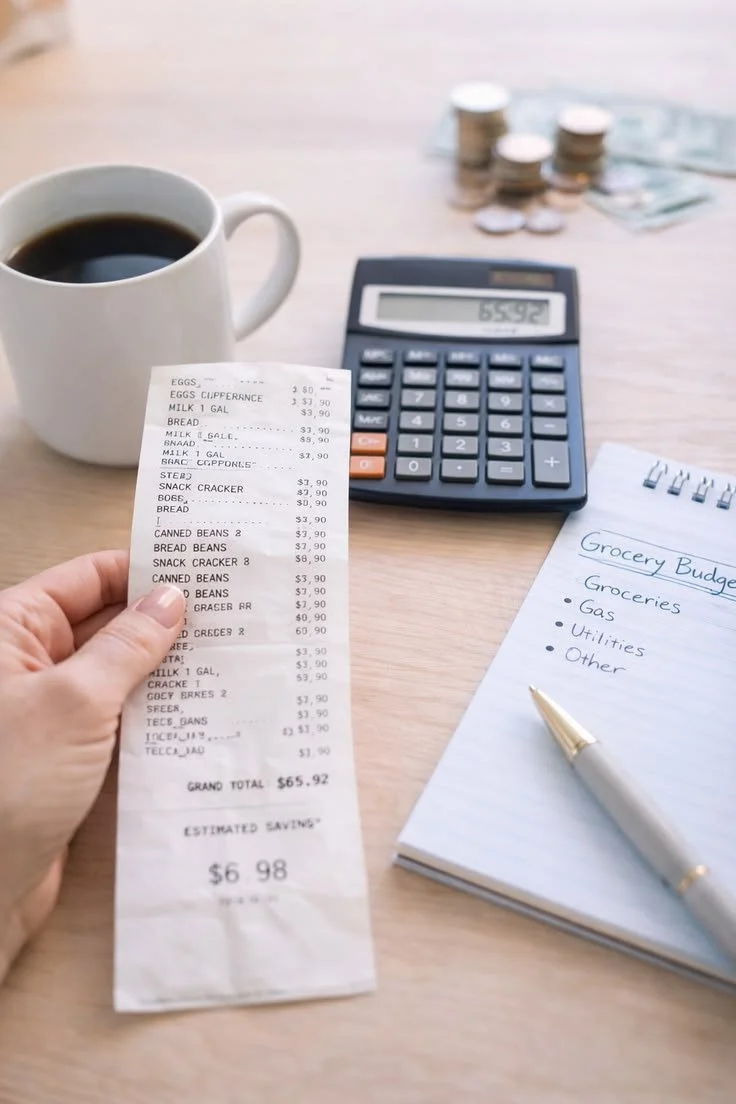
A savings account is simply a place to hold money that is not meant to be spent right away.
But beyond that, it is a tool.
It creates distance between you and financial stress.
It gives you time to think before reacting.
It allows you to handle situations without everything feeling urgent.
Without savings, even small, unexpected expenses can feel overwhelming..
With savings, those same moments feel manageable.
That is the difference.
Different Types of Savings Accounts (And Why They Matter)
Not all savings accounts are built the same. Some are designed for accessibility, while others are designed to help your money grow.
Understanding the difference allows you to be more intentional with where you keep your money.
Types of Accounts
1. Regular Savings Account
This is the most basic type of savings account, typically offered by traditional banks.
Earnings: Very low interest (often less than 0.1%)
Where to find them: Chase, Wells Fargo, Bank of America
Pros: Easy to open, easy to access, often connected to your checking account
Cons: Your money does not grow much over time
This is a good starting point, but not always the best long-term option if your goal is growth.
2. Money Market Account
A money market account is similar to a savings account but may offer slightly higher interest rates and more flexibility.
Earnings: Moderate interest rates (higher than regular savings, lower than high-yield)
Where to find them: Banks and credit unions
Pros: Higher earning potential, sometimes includes check-writing or debit access
Cons: May require a higher minimum balance
This can be a good option if you want both accessibility and a little more growth.
3. Certificates of Deposit (CDs)
A CD allows you to lock in your money for a set period of time in exchange for a guaranteed interest rate.
Earnings: Fixed, often higher than regular savings
Where to find them: Banks and credit unions
Pros: Predictable returns, higher rates than standard accounts
Cons: Limited access to your money during the term (penalties for early withdrawal)
This is best for money you know you will not need right away.
4. High-Yield Savings Account
A high-yield savings account is one of the most effective tools for everyday saving.
Earnings: Significantly higher interest (often 3 to 5% or more, depending on the market)
Where to find them: Online banks like Ally, Marcus, Capital One
Pros: Higher growth while keeping your money accessible
Cons: Usually not tied to a physical bank branch
This is where most of your savings should live if your goal is both accessibility and growth.
How to Use These Accounts (Your Savings Strategy)

Once you understand the types of accounts, the next step is giving your savings a clear purpose.
A simple and effective approach is to keep your savings in separate high-yield accounts, each with a specific role.
Emergency Fund (Your Foundation)
This is your safety net.
Goal: About six months of living expenses
(rent, utilities, food, transportation, insurance, etc.)Purpose: Job transitions, unexpected expenses, or anything life throws your way
This is not about fear. It is about stability. It allows you to respond to situations calmly instead of reacting under pressure.
Sinking Funds (Your Life Buffer)
This is where you save for expected expenses.
Travel
Events
Home or car purchases
Larger upcoming expenses
The key here is clarity. Know the total amount you need. Know your timeline. Set aside a consistent amount each month. This allows you to pay for these moments without stress or relying on debt.
Savings as a Business Owner Looks a Little Different
If you own a business, savings is not just personal. It becomes part of how your business operates. Income can fluctuate. Expenses can vary. Some months feel stronger than others. That is why having a clear savings system is so important.
A simple structure to follow:
Have one dedicated savings account for business expenses
Work toward six months of business expenses saved
And aim to have about five months of your personal income set aside
This is what allows your business to stay steady, even when income is not.
It gives you breathing room.
It gives you time to adjust.
It gives you the ability to make thoughtful decisions instead of reactive ones.
And most importantly, it allows you to continue showing up for your business with confidence.
Why This Matters More Than You Think
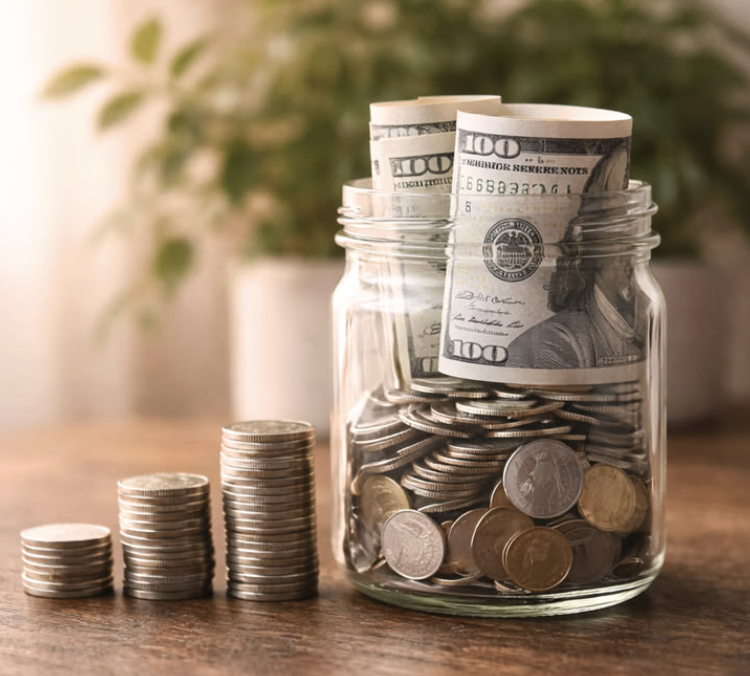
Savings is not just about money sitting in an account. It is about how you feel. It is the difference between reacting and responding. Between stress and stability. Between feeling behind and feeling prepared. It allows you to move through life with a little more ease. And that matters more than any number in an account.
Start Simple, Stay Consistent
If this feels like a lot, bring it back to something small.
Open a savings account if you do not have one.
Move a small amount into it each week.
Choose a system that feels manageable.
Consistency will always matter more than doing everything perfectly.
Because over time, those small steps build something really powerful.
Final Thought
You deserve to feel taken care of. Not just in big moments, but in the everyday ones too. And building your savings, little by little, is one of the most practical and meaningful ways to do that. Future you is not expecting perfection. Just a starting point. And this can be it.