

The Reality of Real Estate Investing
Real estate investing is often presented as the ultimate path to passive income and financial freedom. Scroll through social media long enough and it can start to feel like everyone is buying investment properties, collecting rent checks, and building wealth overnight.
But the reality is usually much more complicated than that.
While real estate can absolutely become a valuable long-term investment, it is important to understand that it also comes with responsibility, risk, expenses, and patience. It is not always quick money, and it is definitely not always stress-free.
Before jumping into real estate investing, it is important to understand what you are truly signing up for and how to set yourself up for success first.
Real Estate Is More Than Just Buying a Property
One of the biggest misconceptions about real estate investing is that the rent someone charges automatically becomes profit. In reality, what you charge is not necessarily what you take home.
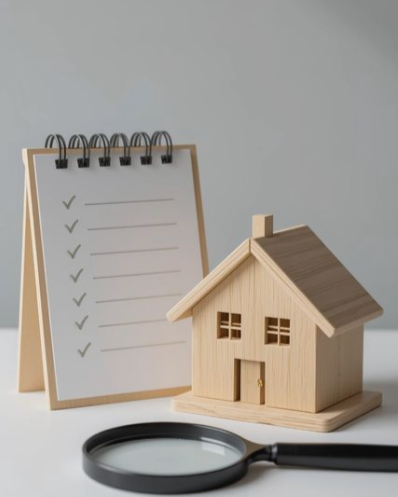
Rental income often has to cover:
mortgage payments
property taxes
insurance
maintenance and repairs
emergency expenses
vacancies between tenants
and other unexpected costs
What is left over after all of those expenses is what actually becomes income. This is why real estate investing should be approached carefully and intentionally, not emotionally or impulsively.
There Are Significant Upfront Costs
Compared to investing in the stock market or retirement accounts, real estate usually requires a much larger amount of money upfront.
There may be:
down payments
closing costs
inspection fees
repairs
furnishing costs
maintenance expenses
and ongoing property costs
Because of this, many people benefit from focusing on building strong cash flow and financial stability first before stepping into real estate investing.
For a lot of people, that means:
paying down debt
building emergency savings
contributing to retirement accounts
and creating healthy financial habits before purchasing investment properties
The stronger your financial foundation is beforehand, the less stressful real estate investing tends to become later on.
Emergency Savings Matter Even More
One of the most important parts of real estate investing is preparing for unexpected expenses.
Homes require maintenance.
Things break.
Repairs happen.
Costs increase.
An emergency fund is not optional when it comes to real estate investing.
Whether it is:
a broken appliance
plumbing repairs
roof damage
property taxes
vacancies
or unexpected maintenance
Having cash reserves available can help prevent financial stress and additional debt. This is also why many people recommend investing in other areas first so they can build enough cash flow and stability to comfortably handle the realities of owning property.
Growth Usually Takes Time
Another important thing to remember is that real estate investing is usually a long-term strategy.
Unlike what social media sometimes portrays, most people do not become wealthy overnight through real estate.
In many cases:
equity builds slowly
appreciation takes time
repairs reduce short-term profits
and cash flow may be smaller than expected in the beginning
Especially if you already have a mortgage on your primary home, it can take time before additional properties truly create meaningful residual income.
Patience matters.
Preparation matters.
Cash flow matters.
Real Estate Should Support Your Life — Not Control It
One of the biggest questions to ask before getting into real estate investing is:
Will this create more stress or more freedom?
Because while real estate can absolutely become a valuable wealth-building tool, it should not come at the expense of your peace of mind or financial stability.
A property that constantly creates stress, financial pressure, or anxiety may not actually be helping you build the life you want. This is why slow, intentional growth often works better than rushing into investments before you are financially ready.
There Is Nothing Wrong With Waiting

In today’s world, it can feel like you are “behind” if you are not already investing in real estate.
But the truth is:
there is nothing wrong with waiting.
For many people, it makes more sense to:
invest consistently elsewhere first
build retirement savings
eliminate debt
improve cash flow
and create financial stability before stepping into real estate investing
Real estate does not have to be your first investment in order to become a successful one later on.
The Big Idea
Real estate investing can absolutely become part of a long-term wealth-building plan, but it is important to understand the full picture before jumping in.
Behind every property are ongoing expenses, responsibilities, maintenance costs, taxes, and long-term planning. The goal is not to chase quick money. The goal is to build investments that support your life and financial future in a healthy, sustainable way.
What You Can Do Next
If real estate investing is something you are interested in, start by focusing on your financial foundation first.
Build emergency savings.
Create stable cash flow.
Work on debt elimination.
Contribute to retirement accounts.
Learn how ownership expenses work.
And remember: there is no rush.
Sometimes the smartest financial move is preparing slowly now so future opportunities create more freedom instead of more stress 🤍