

The holidays are one of my favorite times of the year. Between decorating the house, spending time with family, finding the perfect gifts, and making memories with the kids, there's so much to look forward to. But if there's one thing I've learned, it's that the holiday expenses we don't think twice about are often the ones that catch us off guard.
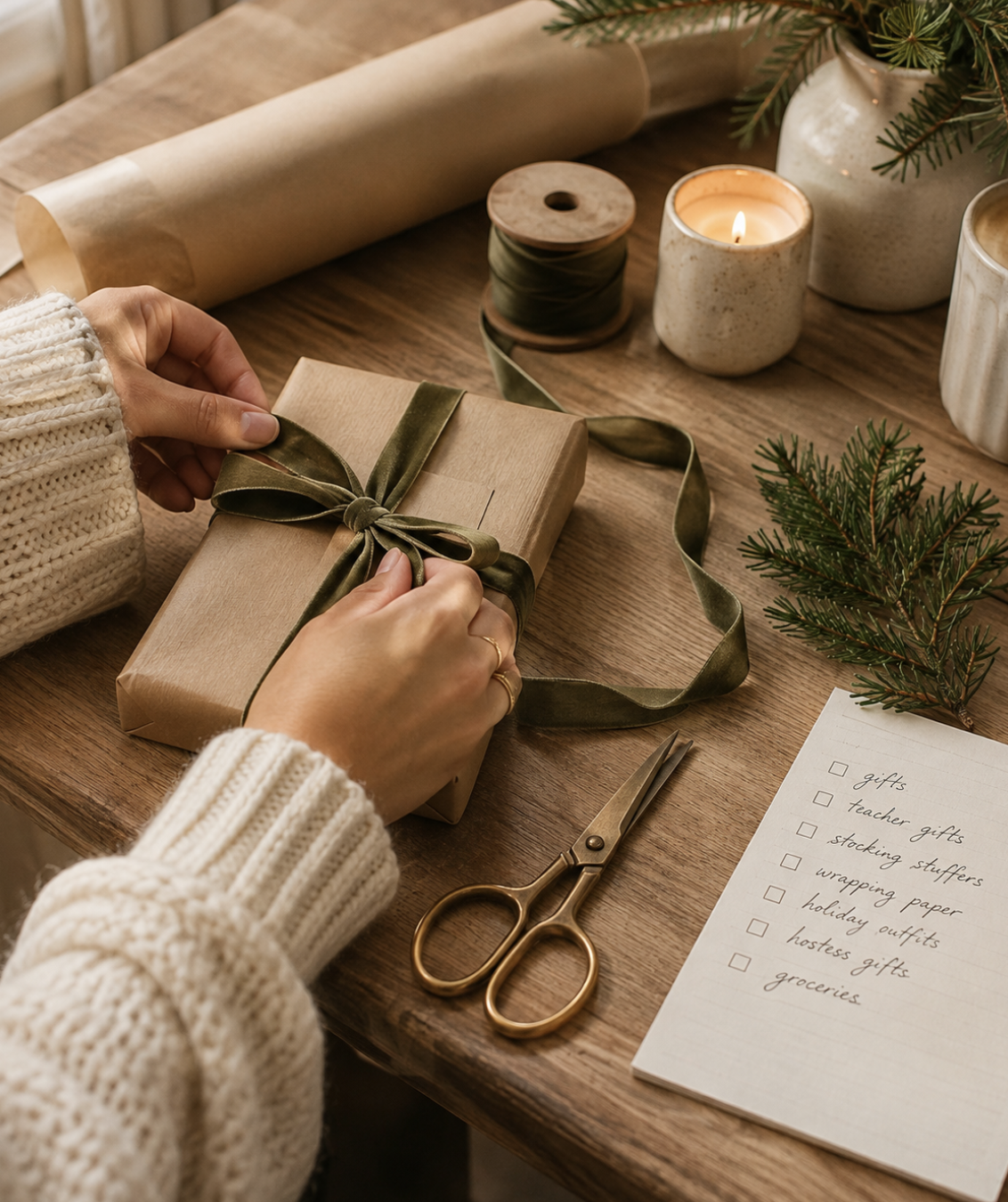
Most of us remember to budget for the big things. We know we're going to buy Christmas presents, plan a holiday meal, or maybe travel to visit family. But what about the stocking stuffers, teacher gifts, wrapping paper, matching pajamas, and all those last-minute Target runs?
Individually, they might not seem like much. But by the time January rolls around, those little purchases can turn into a much bigger number than we expected.
The good news? You don't have to cut out all the fun to stay on budget. You just need to make room for the expenses you might otherwise overlook.
If you're looking for a complete guide to planning your holiday spending, check out our blog on creating a holiday budget without financial stress.
1. The Gifts Beyond Your Gift List
When we think about holiday shopping, we usually start with our immediate family and close friends. But as the season gets closer, that list tends to grow.
Maybe you want to get something for your child's teacher, your neighbors, your babysitter, your coworkers, or the friend hosting your holiday party. These are all thoughtful gestures, but they can add up quickly when you haven't planned for them.
My tip: Before you start shopping, write down everyone you might want to give a gift to, not just the people on your main list. Set a realistic amount for each person and remember that thoughtful doesn't have to mean expensive.
A handwritten note, homemade treat, or small personalized gift can be just as meaningful as something you spent a lot of money on.
And remember, you don't have to buy a gift for everyone. It's okay to decide what works for your family and your budget.
2. Stocking Stuffers, Wrapping Paper, and All the Extras
I think we can all agree that it's easy to underestimate how much the little holiday extras cost.
You might spend months planning the bigger gifts, only to realize you still need stocking stuffers, gift bags, wrapping paper, ribbon, tape, gift tags, and shipping supplies.
And if you're anything like me, it's easy to throw a few extra things in your cart because they're cute, festive, or seem inexpensive at the time.
The problem isn't necessarily any one purchase. It's how quickly they add up when you're not keeping track.
My tip: Give these extras their own category in your holiday budget. Before buying anything new, check what you already have at home. You might be surprised by how much wrapping paper, ribbon, and other supplies you saved from last year.
For stocking stuffers, decide on a spending limit before you shop. A handful of intentional items is usually better than filling a stocking with things that won't get used.
3. Holiday Hosting Costs More Than Just the Main Meal
If you're hosting Thanksgiving, Christmas, or even a casual holiday get-together, you probably already know that groceries can get expensive.
But it's not always the main meal that pushes us over budget. It's the appetizers, drinks, desserts, paper goods, extra decorations, and last-minute trips to the grocery store.
Even small gatherings can become surprisingly expensive when you're trying to make everything feel special.
Here's your reminder that you don't have to do it all!
My tip: Start with a simple menu and make a grocery list before heading to the store. Take inventory of what you already have, and don't be afraid to ask guests to bring a side dish, dessert, or drink.
A potluck-style gathering can take some of the financial pressure off hosting while still bringing everyone together.
And if you're tempted to buy new serving dishes, decorations, or table settings, ask yourself whether they're something you'll actually use again.
The people around your table are what make the gathering special, not how much you spent putting it together.
4. Holiday Outfits, Activities, and Traditions
One of the best parts of the holiday season is making memories, especially with little ones.
But between matching Christmas pajamas, holiday outfits, family photos, school events, seasonal activities, and special outings, those memories can come with quite a few expenses.
It's easy to feel like you need to say yes to everything, especially when social media is full of families doing festive activities every weekend.
But here's something I always try to remind myself: You don't have to do every holiday activity to make the season memorable.
My tip: Choose a few traditions your family genuinely looks forward to and prioritize those.
Maybe it's decorating cookies, driving around to look at Christmas lights, watching your favorite holiday movies, or making hot chocolate together.
Some traditions cost money, and that's perfectly okay if you've planned for them. Others cost very little or nothing at all.
The goal isn't to create the cheapest holiday possible. It's to spend intentionally on the experiences that matter most to your family.
5. The Last-Minute Purchases You Didn't See Coming
No matter how organized you are, something always seems to pop up during the holidays.
Maybe you forgot about a gift exchange, need an extra ingredient for a recipe, get invited to a last-minute gathering, or realize you need something for your child's school celebration.
These purchases aren't always avoidable, but they can be easier to manage when you've planned for the possibility.
My tip: Build a little cushion into your holiday budget.
For example, if you've set aside $1,000 for holiday spending, you might reserve $50–$100 for miscellaneous expenses rather than assigning every dollar to gifts, food, and activities.
That way, an unexpected purchase doesn't automatically mean going over budget or reaching for your credit card.
And if you don't end up needing that extra money? Even better! You can put it toward savings or another financial goal.
How to Make Room for the Little Things in Your Holiday Budget
Now that we've covered some of the most commonly overlooked expenses, let's talk about how to actually plan for them. The first step is deciding how much you can comfortably spend on the holidays as a whole. This number should fit within your current financial situation without taking away from essential bills, savings goals, or other priorities. From there, break that total into categories. Think about gifts, food, travel, activities, decorations, and all the little extras we've talked about.
Here's an example of how those overlooked expenses might add up:
Holiday Expense Estimated Cost:
Teacher and hostess gifts$60
Stocking stuffers$75
Wrapping paper and supplies$30
Holiday outfits $80
Last-minute extras $55
Total $300
That's $300 in expenses that might not have made it into your original holiday budget!
Of course, these are just example amounts. Your family's spending might look completely different, and that's okay.
The important thing is to think through these purchases ahead of time so you can decide which ones are worth including.
And if you're realizing that your holiday wish list is bigger than your budget, don't panic. This is exactly why planning ahead is so helpful! You can make adjustments before the spending happens instead of dealing with the stress afterward.
A Little Reminder: You Don't Have to Do It All
I think one of the biggest challenges during the holidays is feeling like we have to make everything perfect.
The perfect gifts, the perfect decorations, the perfect family photos, and the perfect holiday traditions.
But creating a meaningful holiday season doesn't require doing everything or spending money on every opportunity that comes your way.
It's okay to simplify. It's okay to reuse decorations, skip an event, set gift limits, or choose a cozy night at home instead of another expensive outing.
Being intentional with your money isn't about taking away the joy of the season. It's about making sure your spending reflects what you actually value.
And when you plan for the little expenses ahead of time, you give yourself more room to enjoy the holidays without constantly worrying about what everything costs.
Make This Holiday Season Work for You
Before the holiday rush really begins, take a few minutes to look at your spending plans and ask yourself:
Have I accounted for the smaller expenses beyond my main gift list?
Are there things I'm planning to buy simply because I feel like I should?
Which traditions and experiences matter most to my family?
Am I leaving room in my budget for unexpected purchases?
A little preparation now can make a big difference in how you feel when January arrives.
And remember, you don't have to spend more to make the holidays meaningful. Sometimes the best memories come from the simplest moments.
At Core Life Habits, I'm here to help you build financial habits that support the life you want to live, during the holidays and all year long. If you're ready to feel more confident about your spending and financial goals, I'd love to work with you!
Let's make a plan that works for your life.