

Sinking Funds: How to Plan for the Expenses You Know Are Coming
Have you ever had an expense come up and immediately thought, How am I going to fit this into the budget this month?
The funny thing is, a lot of those expenses aren't actually surprises. Christmas comes every December, your car will eventually need maintenance, kids need school supplies and clothes, annual subscriptions renew and if you're hoping to take a family vacation next summer, you already know that trip is going to cost money.
These expenses may not happen every month, but that doesn't necessarily make them unexpected. The Consumer Financial Protection Bureau actually recommends looking back over several months when creating a budget so you account for less-frequent expenses like insurance, school clothes, seasonal costs, gifts and vacations.
That's where sinking funds can make such a difference.
A sinking fund helps you prepare for expenses little by little instead of trying to absorb the entire cost in one month's budget. And one of my favorite things about them is that they aren't only for the responsible-but-not-so-fun expenses. You can use them for Christmas, vacations, birthdays and all of the things you actually want to spend your money on too.
What Is a Sinking Fund?
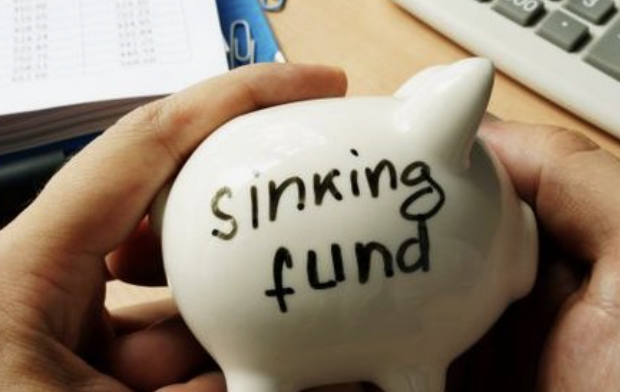
A sinking fund is money you intentionally set aside over time for a specific future expense or goal. Instead of waiting until you need the money, you decide what you're saving for, estimate how much you'll need and give yourself time to build up the amount.
For example, let's say you want to take a $3,000 family vacation 10 months from now. Instead of trying to find $3,000 in your budget when it's time to book the trip, you could save $300 per month for 10 months.
That's really all a sinking fund is. You're taking one large future expense and breaking it into smaller amounts that are easier to work into your monthly budget. The FDIC recommends a similar approach to savings goals: identify what you're saving for, how much you'll need, when you'll need it and how you plan to save toward it.
You're not necessarily spending less money. You're simply planning for the spending before it happens.
Sinking Fund vs. Emergency Fund: What's the Difference?

Sinking funds and emergency funds both involve setting money aside, but they shouldn't serve the same purpose.
An emergency fund is designed for unplanned expenses or financial emergencies, such as an unexpected medical bill, major car repair or loss of income.
The CFPB recommends keeping money specifically reserved for those types of financial shocks so an unexpected expense doesn't immediately have to become debt.
A sinking fund is for an expense you know is coming or a goal you've intentionally decided to work toward. The CFPB also distinguishes saving for unexpected expenses from saving for periodic expenses and planned goals, noting that costs like insurance, taxes and school supplies may only happen a few times a year but can still be difficult to cover all at once if you haven't been setting money aside.
Think of it this way: if your transmission unexpectedly goes out, that may be an emergency fund expense. If you know your car will need new tires within the next year, that's something you can create a sinking fund for.
The same applies to an emergency flight to see a family member versus the family vacation you've been planning for next summer. One is unexpected. The other can become part of your budget months in advance.
What Should You Use Sinking Funds For?
There isn't one list of sinking funds that every family needs. Your sinking funds should reflect your household, your priorities and the expenses that tend to come up in your life.
For one family, summer camp might be a major annual expense. For another, it might be traveling home for the holidays. You might know that your car registration and insurance hit around the same time every year, or maybe Christmas always ends up costing more than you expect.
Some common sinking fund categories include:
Travel: Flights, hotels, rental cars, food and activities
Holidays: Gifts, decorations, hosting and holiday travel
Kids: Back-to-school shopping, camps, sports, activities and birthdays
Cars: Registration, tires and planned maintenance
Home: Furniture, appliances, maintenance and planned projects
Annual expenses: Insurance premiums, memberships and subscriptions
Celebrations: Weddings, birthdays, anniversaries and graduations
Personal goals: Technology, furniture or another larger purchase you want to make
You don't need to create a separate fund for every possible expense. Start with the expenses that happen consistently, cost enough that they're difficult to absorb in one month or tend to send you reaching for a credit card when they arrive.
Want to Travel? Make It Part of the Plan

Travel is one of my favorite examples of how a sinking fund can change the way you think about spending.
I don't want your financial plan to automatically tell you that you can't take a vacation because spending money on travel isn't "responsible." If traveling and making those memories are important to your family, let's figure out how to make them part of the plan.
Let's say you want to take a $4,000 family vacation eight months from now. Saving the full amount would mean setting aside $500 per month.
Now you have information you can actually use. If $500 comfortably fits into your budget, great. You have your savings target. If it doesn't, that doesn't automatically mean you can't take the trip. Maybe you choose a less expensive vacation, extend your timeline, redirect money from another goal or use part of a future bonus toward the trip.
That's one of the things I love about planning ahead. Your budget isn't simply telling you "yes" or "no." It's giving you the information you need to make a decision.
And when the vacation finally arrives, I want you to actually enjoy spending the money. You planned for it, you saved for it and you already decided that this was something worth spending money on.
That's exactly what the sinking fund was created for.
How Do You Start a Sinking Fund?
Start by deciding exactly what you're saving for. "Save more money" is difficult to measure, but "save $1,500 for Christmas" gives you a specific goal to work toward.
Next, estimate how much you'll need and when you'll need it. Look at what you spent last year, research the expected cost or simply make your best estimate. It doesn't have to be perfect, and you can adjust as you get closer.
From there, the math is simple:
Amount Needed ÷ Number of Months Until You Need It = Monthly Savings Goal
If Christmas is six months away and you want $1,200 available, you'd need to save $200 per month. If $200 doesn't fit comfortably into your budget, you can adjust your spending goal or start with what you realistically can save.
Then, actually include that contribution in your monthly budget. Don't wait until the end of the month and hope there's money left over. If you've decided $200 is going toward Christmas, treat that $200 as part of the plan.
You can also automate the process. The FDIC notes that scheduled automatic transfers can help make saving more consistent because money is moved into savings before you have the opportunity to spend it elsewhere.
Where Should You Keep Your Sinking Funds?

For goals you'll need relatively soon, I generally want the money somewhere safe, accessible and separate enough from your everyday spending that you aren't constantly dipping into it.
A high yield savings account can be a good option for shorter-term goals. The FDIC notes that savings accounts allow funds to remain accessible while earning some interest, and keeping savings separate from checking can also help reduce the temptation to spend it before you're ready.
Depending on your bank, you may also be able to create separate savings buckets or categories. That can be helpful because you don't necessarily need five different bank accounts to have five different sinking funds. My recommendation is to have 2 high yield savings accounts, 1 for your emergency fund, and 1 for all your sinking funds. Write out the sinking funds on paper so you know how much of that lump sum goes to each fund.
Maybe you have $6,000 in one savings account, but within your own budget you know $2,500 is for travel, $1,000 is for Christmas, $1,500 is for your car and $1,000 is for home projects.
The important part is knowing what each dollar is supposed to do. Otherwise, it's very easy to look at one large savings balance and accidentally spend money that was already intended for something else.
What If I Can't Afford to Fund Everything?
You might not be able to save for every future expense at the same time, and that's okay. The goal isn't to finish this blog and suddenly create 12 different sinking funds that add hundreds or thousands of dollars to your monthly budget.
Instead, start with the expenses that are coming up soon or the ones that tend to throw your budget off the most. If you know your car needs tires in three months, that may take priority over the vacation that's still a year away. If Christmas ends up on a credit card every year, maybe that's the first sinking fund you create.
Even if you can't save the entire amount, something is better than nothing. If you need $1,000 for an expense and you've managed to save $600, you've significantly reduced the amount you'll need to find in your regular budget when the bill arrives.
Your priorities will also change throughout the year. Once one sinking fund is fully funded, you can redirect that monthly contribution toward something else. Your sinking funds should change as your life changes.
Don't Forget to Save for the Fun Stuff
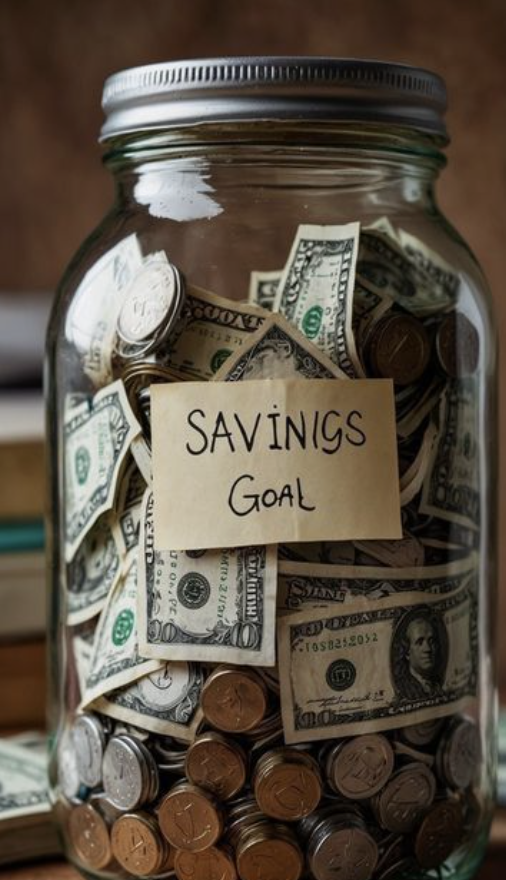
When we talk about saving money, it's easy to focus exclusively on emergencies, car repairs, insurance and other expenses we'd rather not have.
Those things are important, but your budget should also help you enjoy your life.’
Create the vacation fund. Save for the concert. Plan ahead for Christmas. Put money aside for family photos or the couch you've wanted for two years.
Financial responsibility doesn't mean you should feel guilty every time you spend money on something fun. If an expense fits your larger financial picture and you've intentionally planned and saved for it, give yourself permission to use that money for its intended purpose.
There's a big difference between spending $3,000 on a vacation and wondering how you'll pay the credit card bill afterward and spending $3,000 from.
The vacation may cost the same amount, but the financial experience surrounding it can feel completely different.
Carina's Recommendation: Look at the Next 12 Months
Take out your calendar and look at the next year. Think about birthdays, holidays, vacations, summer camps, school expenses, car maintenance, annual bills, weddings and anything else you already know is coming.
You don't have to start saving for everything at once. Choose two or three expenses that you want to be better prepared for, estimate what they'll cost and divide that amount by the number of months you have left.
Then make those savings contributions part of your budget.
Sinking funds aren't about perfectly predicting every dollar you'll spend. They're about recognizing that not every large expense needs to become an emergency simply because it doesn't happen every month.
There's a very different feeling between realizing Christmas is next month and wondering how you're going to pay for everything, and realizing Christmas is next month and knowing the money is already sitting there waiting for you.
That's what sinking funds can give you: more preparation, less financial stress and more freedom to spend your money on the things you've already decided matter to you. 🤍
Sources
For additional information on building savings and planning for future expenses, visit the Consumer Financial Protection Bureau's guide to emergency savings and the FDIC's guidance on saving for future goals.